Understanding American Home Shield ShieldSmart Coverage: What’s Actually Protected?
American Home Shield ShieldSmart is a distinctive coverage tier that merges standard home warranty protections with smart-home device inclusions. It’s designed for homeowners who want both traditional appliance and system coverage and enhanced smart-device support. This article clarifies exactly what ShieldSmart includes, what it specifically excludes, and where you can find practical value.
What Major Appliances Does ShieldSmart Cover That Standard Plans Don’t?
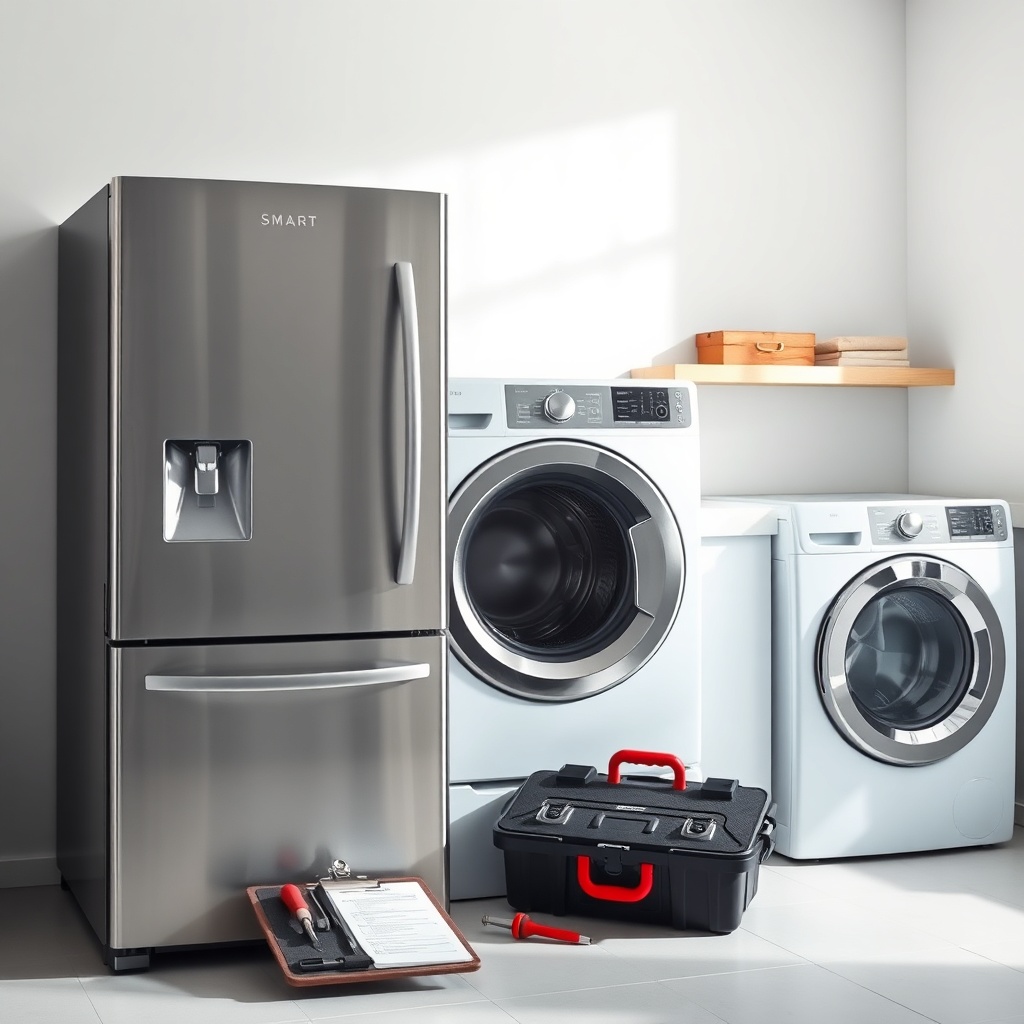
ShieldSmart covers all major built-in kitchen appliances, laundry equipment, and several smart-enabled appliances that other plans often leave out. Included items typically are: refrigerators (up to $500 per item for covered failures), washers and dryers, dishwashers, ovens/ranges, cooktops, built-in microwaves, and garbage disposals. Notably, ShieldSmart adds coverage for smart refrigerators with Wi-Fi connectivity and smart ovens, provided the issue is a mechanical or electrical breakdown—not the smart module itself. For standard coverage comparisons, check our Which Home Warranty Covers Refrigerators and Washers? Compare Top Plans.
Exclusions for appliances include: cosmetic damage (dings, scratches, rust), improper installation, pre-existing conditions, and any failures caused by lack of maintenance. Refrigerator ice makers and water dispensers have a $150 per-item cap. Smart modules (like the refrigeration controller board) are covered only if they directly cause a system failure—not for firmware glitches.
How Does ShieldSmart Cover Home Systems Differently From Competitors?
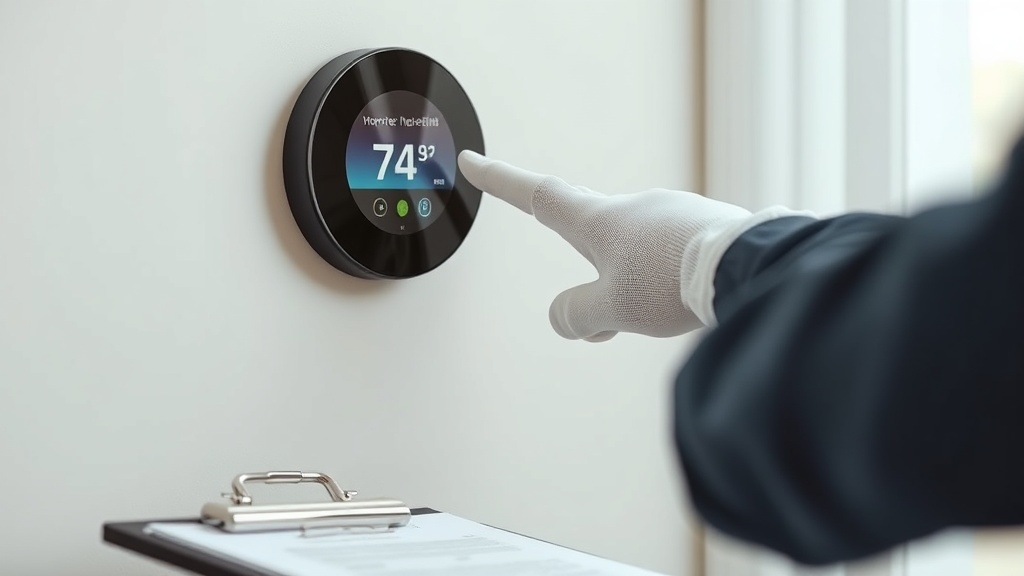
ShieldSmart includes coverage for HVAC (heating, ventilation, air conditioning), plumbing, and electrical systems, plus ductwork and water heaters. The plan adds a distinct smart thermostat coverage benefit: if your smart thermostat fails due to a covered mechanical defect, ShieldSmart will replace it with a comparable model (up to $300). This is a significant differentiator because most home warranties exclude smart thermostats as “environmental controls” or “non-essential items.”
Exclusions for systems are standard: any system that was improperly installed, has a pre-existing condition, or is over 20 years old at the time of enrollment (unless you have the “no age limit” add-on). HVAC coverage specifically excludes duct cleaning, refrigerant recharge (unless caused by a covered leak), and zone control valves. Electrical panels and main breakers are covered if they fail due to internal defect, but not for overload or external damage.
| System Type | ShieldSmart Coverage | Common Exclusion |
|---|---|---|
| HVAC (heat & cool) | Compressor, condenser, evaporator, fan motor, thermostat, controls | Refrigerant recharge, ductwork cleaning, zone valves |
| Plumbing | Pipes, fixtures, water heater (tank & tankless), toilet internals | Clogs, main line issues, septic systems, outdoor faucets |
| Electrical | Main panel, breakers, wiring, outlets, switches | Service entrance cables, lighting fixtures, transformers |
| Smart Thermostat | Covered as a system component (replacement up to $300) | Smart module failure from software, battery issues |
Are Smart-Home Devices Actually Covered Under ShieldSmart, and What’s the Fine Print?
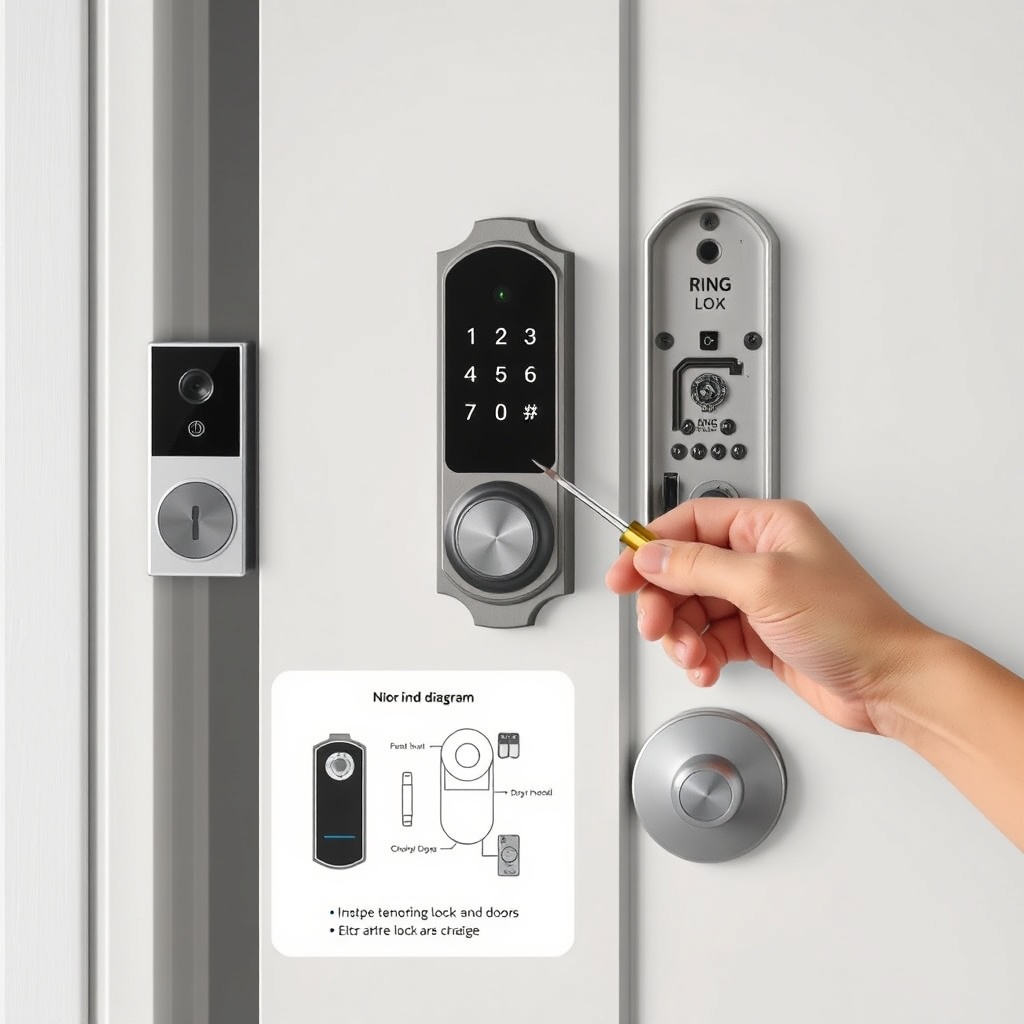
Yes, but with specific limitations. ShieldSmart includes coverage for smart home devices like smart locks, smart thermostats, smart smoke detectors, and smart doorbells—but only when they are part of the home’s permanent infrastructure. The coverage applies to the device’s mechanical and electrical failures, not for connectivity issues, firmware updates, or cloud service disruptions. For example, if a smart lock fails to turn because of a stripped internal gear, it’s covered (up to $250 per device, with a $500 annual aggregate). If it fails to sync with your phone because of a software bug, that’s excluded.
Additionally, coverage for smart devices is limited to devices purchased and installed within five years of enrollment. Older smart devices are considered “pre-existing.” Batteries in smoke detectors or doorbells are excluded, as are any devices that rely on non-replaceable batteries.
What Are the Most Critical Exclusions Homeowners Overlook in ShieldSmart?
Several exclusions commonly trip up homeowners. First, the “maintenance requirement” is strictly enforced in ShieldSmart: any failure due to lack of annual HVAC filter changes, neglected plumbing fixtures, or dirty appliance vents will be denied. Second, the $100 service call fee applies per visit, not per issue—so if a technician finds both a washer and a refrigerator problem in one visit, you still pay only one fee. But if you schedule separate visits, you pay twice. Third, the plan does not cover any smart device that has been tampered with, installed incorrectly, or is no longer supported by the manufacturer.
Also often missed: ShieldSmart excludes coverage for any item that is not listed in the contract (so no surprise coverage for pool equipment or a second refrigerator). The “trade license” exclusion means that if a local city requires a licensed plumber or electrician for a job, but the provider sends a general technician, you might void coverage. Always confirm technician licensing with your provider.
How Does ShieldSmart’s Coverage Vary by State Availability?
ShieldSmart is available in most states served by American Home Shield, but coverage details can differ slightly by state due to local regulations. For instance, in Texas, HVAC coverage includes refrigerant recharge up to $10 per pound (if a leak is confirmed). In California, smart thermostat coverage is limited to $250 instead of $300. Florida plans include additional flood-related damage exclusions for systems. Always review the state-specific contract addendum when enrolling. For pricing variance and what it costs in your area, see American Home Shield ShieldSmart Pricing: Is It Worth the Cost?.
Additionally, ShieldSmart may not be available in Alaska, Hawaii, or U.S. territories. In some states, the plan requires a home inspection before coverage begins—usually if the home is older than 20 years. Always check with the provider before purchase.
What Owners Say
“We got ShieldSmart specifically for the smart thermostat coverage. Our old thermostat died after a power surge—AHS replaced it with a comparable one and only charged the $100 fee. But we were surprised they didn’t cover the software update that caused our smart lock to act weird. That was a self-fix.” — R. Chen, Houston, TX
“The refrigerator coverage saved us when the compressor failed on a five-year-old French door model. They paid up to $500 towards the repair, but the ice maker issue was a separate $150 cap. We learned to read the fine print carefully.” — L. Peterson, Atlanta, GA
“Claim process was straightforward: we reported a water heater leak online and they scheduled a plumber within 48 hours. They fixed the leak (covered), but the technician noted we needed a new anode rod—they didn’t cover that because it’s routine maintenance. Good to know for next time.” — D. Weaver, Phoenix, AZ
For more on the claims process, check out How to File a Claim with American Home Shield ShieldSmart.
Frequently Asked Questions
Is ShieldSmart better than the standard American Home Shield plan?
ShieldSmart offers additional coverage for smart home devices and higher coverage caps on certain items like smart thermostats and refrigerators. If you own smart appliances or a thermostat, ShieldSmart is likely a better fit. Without smart devices, the standard plan may suffice at a lower price.
Does ShieldSmart cover my home’s smart doorbell?
Yes, but only if the doorbell is permanently wired and fails due to a mechanical or electrical defect. It does not cover software issues, cloud service failures, or battery replacement.
What is the service call fee for ShieldSmart?
The service call fee is $100 per visit, regardless of how many items are inspected during that visit. If you schedule separate visits for different issues, you pay $100 each time.
How long do I have to wait before coverage starts?
Standard wait period is 30 days after enrollment for all coverage. In some states, a 90-day period may apply for HVAC and certain systems.
Can I add a smart thermostat after purchasing the plan?
Yes, but it must be installed by a licensed professional and meet the manufacturer’s specifications to be eligible for coverage. Retain the receipt and installation records.
Does ShieldSmart cover the cost of a technician’s diagnostic fee?
No, the $100 service call fee covers the technician’s visit and diagnosis. If repairs are not covered, you still pay the $100 fee for the diagnostic visit.