Choice Home Warranty Total Plan: Coverage for Major Appliances and Systems
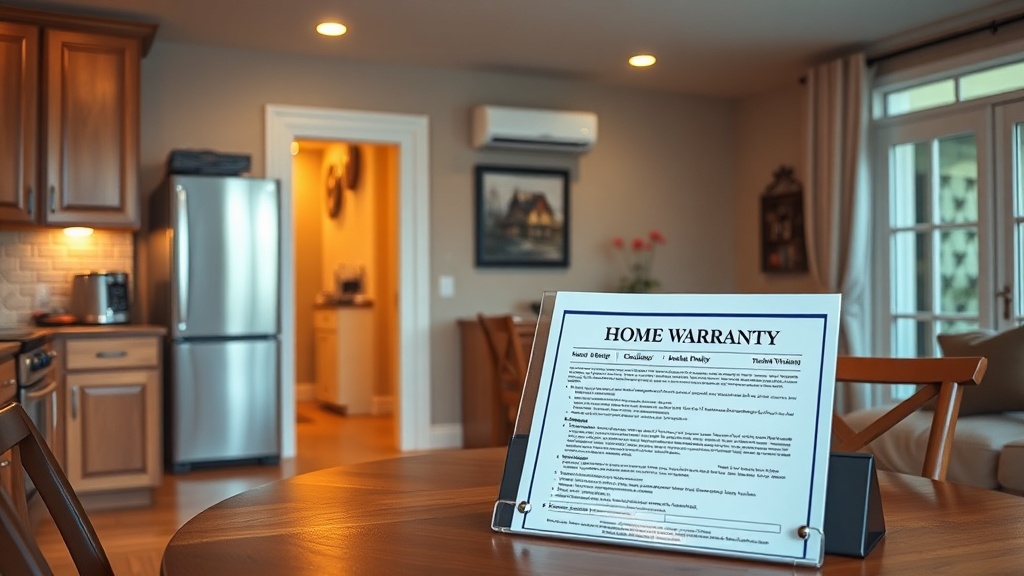
When your refrigerator stops cooling or your furnace quits in January, the Choice Home Warranty Total Plan aims to be the safety net that catches you. This plan bundles coverage for both major built-in systems and essential household appliances, making it one of the most popular options for homeowners seeking broad protection. In this review, we break down exactly what’s included, what’s not, and how the Total Plan compares to other options in the market.
What Major Appliances Are Covered Under the Choice Home Warranty Total Plan?
The Total Plan covers a wide array of major appliances that are critical to daily life. You get protection for:
- Refrigerator – includes compressor, coolant lines, and sealed system (but not icemakers in all cases).
- Oven/Range/Cooktop – electric or gas, including burners, oven thermostat, and ignition systems.
- Dishwasher – motor, pump, control board, and door seals.
- Clothes Washer and Dryer – both electric and gas models, covering motors, belts, and drum rollers.
- Garbage Disposal – motor and housing.
- Ceiling Fans – including fan motor and pull chains.
- Garage Door Opener – motor, chain, and safety sensors.
Bear in mind that the plan does not cover portable appliances, countertop microwaves (built-in models are covered under the oven/range category), or items with cosmetic damage. Coverage limits apply—generally $500 per covered item for repairs, though this can vary by state.
The plan also excludes pre-existing conditions, so if your refrigerator has been rattling for months, the claim will likely be denied. It’s wise to review the Top Reasons Home Warranty Claims Are Denied and How to Avoid Them before filing your first claim.

What Home Systems Are Included in the Total Plan?
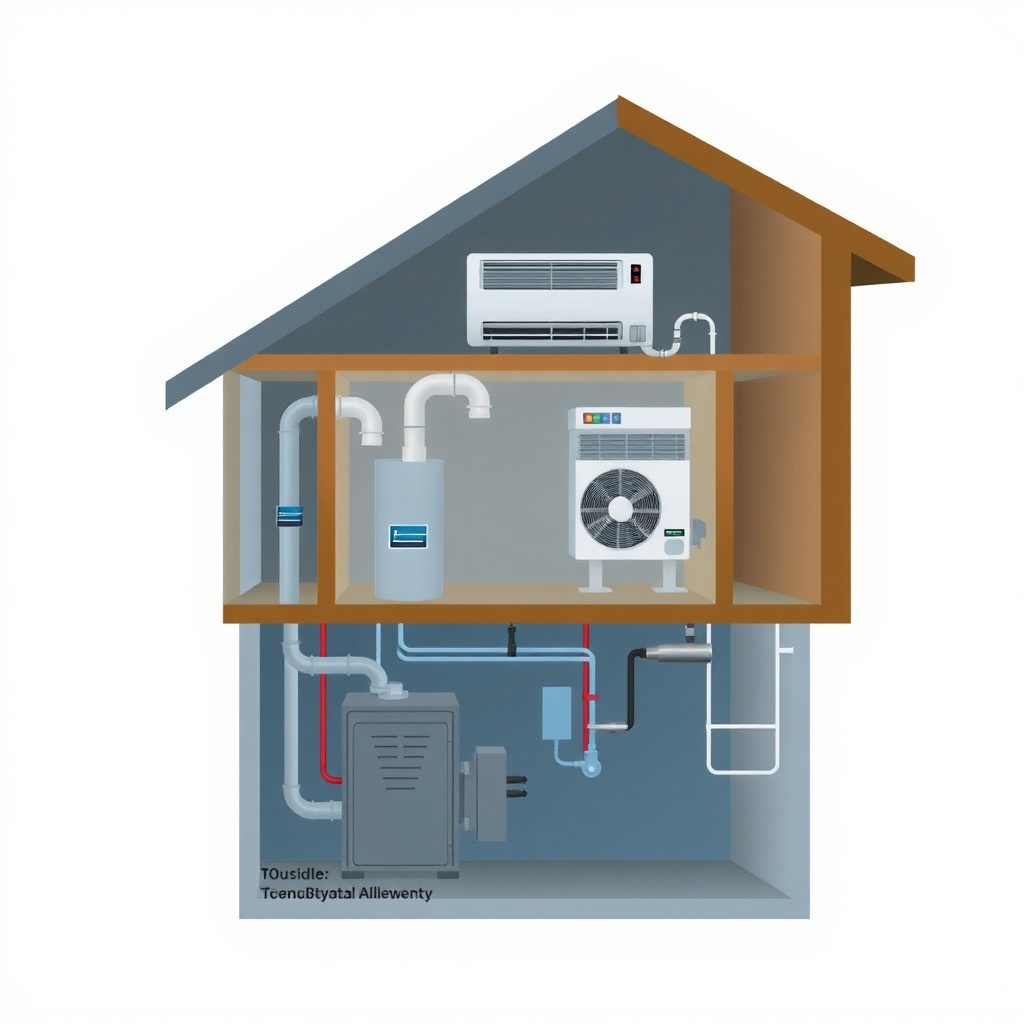
The Total Plan goes beyond appliances to cover major home systems that keep your house comfortable and safe:
- Heating System – forced-air furnaces (gas, oil, electric), heat pumps, and ductwork connected to the heating unit. Boilers are included, too.
- Air Conditioning – central AC, including compressor, condenser coil, evaporator coil, and refrigerant line.
- Plumbing System – interior water lines, toilet internals, shower valve, and water heater (tank and tankless). Drain lines are covered only if the blockage occurs within the main line.
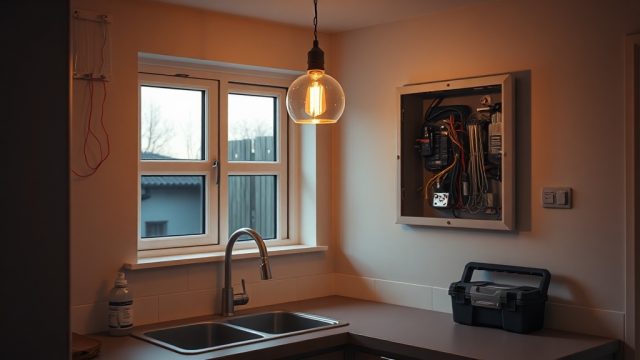
- Electrical System – main panel, breakers, wiring, and outlets. Excludes solar panels and home automation systems.
- Ductwork – only the ducts attached to the covered heating or cooling system.
A common misunderstanding is that the plan covers the entire home plumbing system. In reality, it covers the interior systems up to the main shutoff valve. Underground lines, septic systems, and well pumps are excluded. The Choice Home Warranty Total Plan Pricing: Monthly Costs and Service Fees article details how service fees apply per claim and how they affect out-of-pocket costs.
How Does the Total Plan Compare to the Basic Plan?
Choice Home Warranty offers a Basic Plan covering just major appliances (refrigerator, oven, dishwasher, washer/dryer, garbage disposal). The Total Plan adds all the home systems mentioned above. The premium difference is typically around $10 to $15 per month, making it a cost-effective upgrade for homeowners who want broader protection. Here’s a quick comparison:
| Feature | Basic Plan | Total Plan |
|---|---|---|
| Refrigerator | ✓ | ✓ |
| Oven/Range/Cooktop | ✓ | ✓ |
| Dishwasher | ✓ | ✓ |
| Washer/Dryer | ✓ | ✓ |
| Garbage Disposal | ✓ | ✓ |
| Garage Door Opener | – | ✓ |
| Ceiling Fans | – | ✓ |
| Heating System | – | ✓ |
| Air Conditioning | – | ✓ |
| Plumbing System | – | ✓ |
| Electrical System | – | ✓ |
| Ductwork | – | ✓ |
What Are the Common Exclusions and Limits in the Total Plan?
No warranty plan covers everything, and the Total Plan has a few important exclusions to keep in mind:
- Pre-existing conditions – any problem that existed before the policy start date.
- Code violations – items that fail due to building code changes (e.g., upgrading to modern electrical standards).
- Improper installation or maintenance – damage from poor workmanship or lack of upkeep.
- Commercial-grade equipment – only residential-grade items are covered.
- Ductwork modifications – only the existing ductwork as built, no relocation or additions.
- Per-incident cap – typically $500 per covered item per contract term (some states have higher limits).
Understanding these limits is crucial before you file a claim. For example, if your central AC compressor fails and the repair is $2,400, the warranty might only contribute $500 toward the fix. You would need a home warranty that covers labor and parts up to a higher ceiling. Check the Choice Home Warranty Total Plan Claim Process: Step by Step guide to see exactly how to get the most out of your coverage.
What Kind of Repairs Get Denied Under This Plan?
Claims get denied primarily for three reasons: lack of maintenance, pre-existing wear, and improper installation. For instance, if your furnace fails because you never changed the air filter for three years, that’s a maintenance issue. If the fridge compressor dies and the unit is 14 years old, the warranty may deny coverage due to age-related wear—it depends on the fine print. The table below shows common repairs split by urgency:
| Usually Not Urgent | Needs Attention Soon |
|---|---|
| Dishwasher not draining (often a food blockage) | Refrigerator not cooling – food spoilage risk |
| Garage door opener making noise | Furnace won’t ignite in winter |
| Ceiling fan wobble | Central AC compressor seized in summer |
| Water heater temperature fluctuation | Electrical breaker tripping repeatedly |
| Toilet running constantly | Main water line leak inside drywall |
What Owners Say
Current policyholders of the Total Plan often highlight the convenience of having one call for multiple issues. One owner from Florida mentioned, “My AC went out in July, and they had a contractor out within 48 hours. The repair cost me just the $75 service fee, saved me $1,200.” Another owner in Ohio noted, “I had a fridge issue and a furnace problem in the same year. The first claim went smooth, the second took two weeks because they needed to send a second technician. It’s not perfect, but it beats paying full price.” A third user on a forum commented, “The coverage is good for systems, but be prepared for the $500 cap to sting on expensive repairs.” Overall, satisfaction hinges on realistic expectations about what the warranty covers and the speed of service.
Frequently Asked Questions
1. What is the service fee for the Choice Home Warranty Total Plan?
The service fee is typically $75 per claim, but this can vary based on promotional discounts or state regulations. You pay this fee when a technician is dispatched, regardless of whether the repair is covered.
2. Does the Total Plan cover water heaters?
Yes, water heaters (both tank and tankless) are covered under the plumbing system section of the Total Plan. However, the plan does not cover the water heater’s anode rod or if the unit is under a manufacturer’s recall.
3. How long does it take to get a contractor?
Choice Home Warranty aims to assign a contractor within 24 to 48 hours after a claim is filed during normal business hours. Emergency claims (e.g., no heat in winter) may be prioritized, but actual dispatch time depends on local contractor availability.
4. Can I choose my own repair contractor?
No, under the standard plan, Choice Home Warranty assigns a contractor from their network. You cannot bring in your own technician unless you pay for the repair out-of-pocket and seek reimbursement—which is generally not offered.
5. What is the maximum payout per item?
The standard cap is $500 per covered item per contract term (12 months). Some states, like Texas, have higher caps—around $1,500. Always check your state’s contract terms because this limit applies to parts and labor combined.
6. Does the Total Plan cover ductwork?
Yes, but only the ductwork attached to the covered heating or cooling system. It covers functional repairs like sealed leaks but does not cover cleaning or replacing entire duct sections due to remodeling or age.