How to File a Claim with American Home Shield ShieldSmart
Filing a claim with American Home Shield ShieldSmart is a straightforward process designed to get your home systems and appliances back in working order quickly. Whether you’re dealing with a leaking water heater or a malfunctioning refrigerator, understanding the specific steps, timelines, and requirements for ShieldSmart can save you time and frustration. This guide walks you through the entire claim process, from initial filing to service completion, with practical tips for a smooth experience.
What Is the First Step to File a ShieldSmart Claim?
Before you file a claim, verify that the issue is covered under your specific ShieldSmart contract. Log into your American Home Shield account at ahs.com or via the mobile app. Navigate to the “My Account” dashboard and review your plan details. ShieldSmart plans typically cover major home systems (HVAC, electrical, plumbing) and appliances (refrigerator, washer, dryer) but may have specific exclusions for pre-existing conditions or improper installation. If you’re uncertain, check your policy documents or call customer service at 1-800-858-2126. Once confirmed, gather key information: your contract number, a description of the problem, the make and model of the item (if applicable), and your preferred contact window (e.g., morning or afternoon).
Next, initiate the claim online, by phone, or through the app. Online filing is the fastest: log in, click “File a Claim,” select the broken item, describe the issue in plain English (e.g., “Refrigerator not cooling, compressor running but no cold air”), and submit. You’ll immediately receive a claim number and a service request ID. Note that ShieldSmart does not allow claims for cosmetic issues or routine maintenance—only functional breakdowns. A $100 service call fee per claim covers the technician’s visit; this fee is non-refundable even if the repair isn’t covered.

How Long Does It Take for ShieldSmart to Dispatch a Technician?
After filing, American Home Shield ShieldSmart aims to dispatch a qualified contractor within 24–48 hours during normal business days (Monday–Friday, 7 AM–9 PM ET). For urgent issues—like a no-heat situation in winter or a complete power failure—you can request emergency dispatch, which may reduce response time to 4–6 hours, though this depends on contractor availability in your area. ShieldSmart uses a network of pre-vetted local contractors, not technicians employed directly by AHS. On weekends and holidays, dispatch times can stretch to 72 hours because many contractors operate on limited schedules. You’ll receive a text or email with the contractor’s details and a 4-hour appointment window once they accept the job. If the appointment time doesn’t work, you can reschedule via your account portal—but note that rescheduling counts as a new claim and may trigger another $100 service fee if it’s within 30 days of the original filing.
For time-sensitive claims, check the “My Service Request” page in your account for real-time status updates, including contractor arrival estimates. ShieldSmart does not guarantee same-day service except for select HVAC emergencies (e.g., no cooling in summer if temperature exceeds 90°F in your area). Always confirm coverage for the specific issue before expecting expedited dispatch.
What Happens When the Technician Arrives for a ShieldSmart Claim?
When the contractor arrives, they’ll present a photo ID and your claim number for verification. The technician must diagnose the problem within 30–60 minutes and then explain the findings to you. If the repair is straightforward (e.g., a failed capacitor on an AC unit), they may fix it on the spot with parts covered under ShieldSmart. For complex issues requiring specialized parts (like a compressor for a refrigerator), they’ll order the parts, and you’ll receive a follow-up appointment for installation. ShieldSmart does not reimburse for parts you buy yourself—parts must be sourced through their network. After diagnosis, the technician submits a report to AHS summarizing the problem, parts needed, and labor estimate. AHS reviews this within 1–2 business days to confirm coverage; if approved, the installation is scheduled. If the repair is denied (e.g., due to a pre-existing condition), you won’t be billed for the service call fee—only the diagnostic fee already paid.
Keep in mind that ShieldSmart caps coverage for certain repairs. For example, electrical failures may be covered up to $500 per incident, while HVAC capacitor replacements are fully covered. The technician will also note if the item needs replacement (e.g., a furnace) rather than repair, which triggers a different process (see next section).
How Are Replacement Items Handled for ShieldSmart Claims?
If the technician determines that the item cannot be repaired (e.g., a water heater with a ruptured tank or a refrigerator with an irreparable compressor), ShieldSmart may offer a replacement. This is not an automatic free replacement; you receive a cash payout or a contractor-provided unit up to a coverage limit. For major appliances, the limit is typically $1,500–$2,000 per item, depending on your plan tier. Systems like HVAC units have higher limits—around $5,000–$7,000 for a full furnace replacement, but you pay any costs above that. The process: the technician submits a “non-repairable” report; AHS schedules an inspection (within 2–3 weeks) to confirm; then you choose between a payout (minus your service call fee) or installation of a comparable unit from the contractor. Installation labor is included, but you’re responsible for permitting, debris removal, and upgrades (e.g., code-required electrical panel updates).
For refrigerators and washers, ShieldSmart typically provides a brand-new model of similar capacity and efficiency. However, if your refrigerator is older than 10 years, you may only receive a depreciated payout (usually 50–70% of the repair estimate). Check your policy’s “replacement coverage” section for specific depreciation schedules. Always ask the technician for a written diagnosis code and part numbers before agreeing to replacement.
What Happens When Coverage Is Denied for a ShieldSmart Claim?
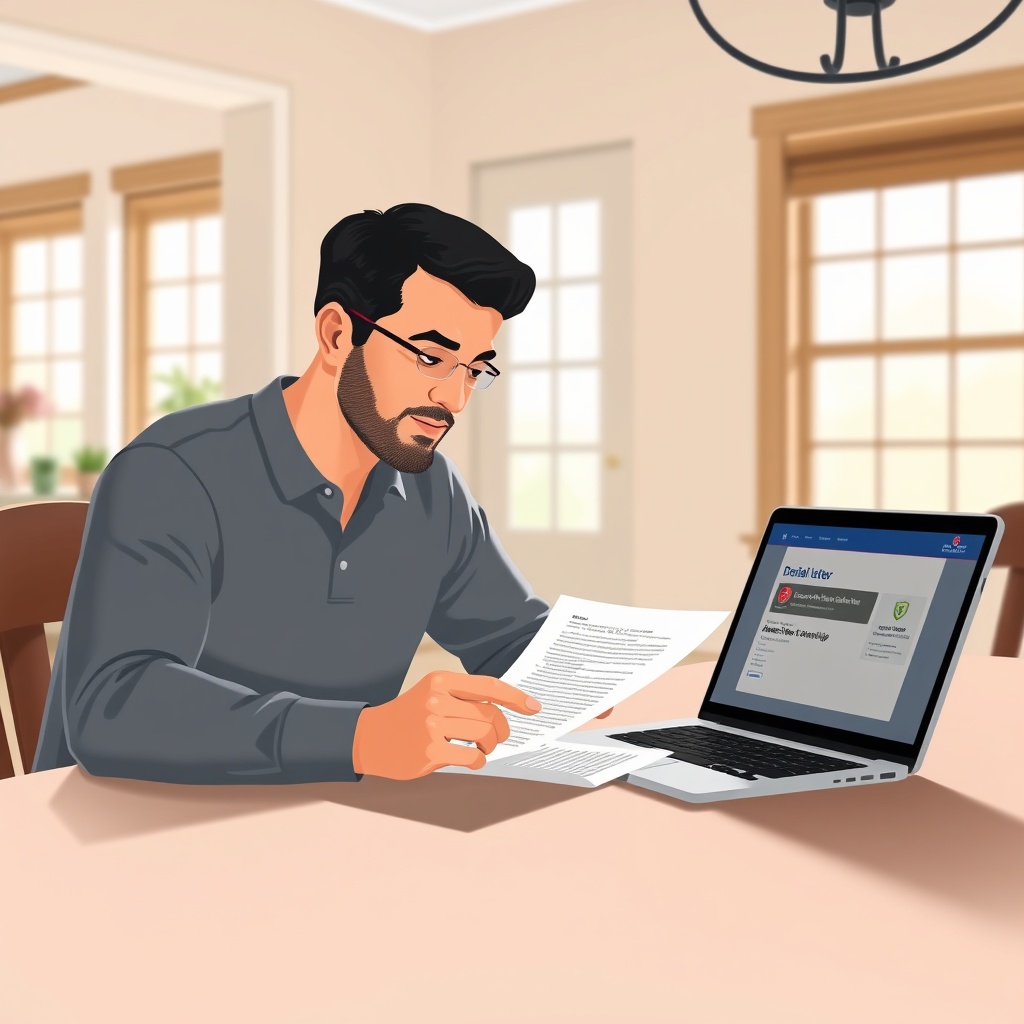
Denial occurs for several common reasons: the issue is a pre-existing condition (existed before the 30-day waiting period), routine maintenance (e.g., a clogged drain spider), or an excluded item (like a built-in microwave or septic system). When AHS denies a claim, they send a written explanation by email and to your account portal. You can appeal by submitting evidence within 30 days: load photos, receipts, or maintenance records showing the unit was functional before coverage began. For example, if your furnace failed but you have a maintenance invoice from 60 days prior, upload it. AHS’s appeals committee reviews within 5–7 business days. If denied again, your final recourse is binding arbitration, as specified in your contract—small claims court is generally not an option unless the dispute is under the jurisdictional limit (often $10,000). Many homeowners find that a polite phone call to the claims manager (ask for the “Claims Resolution Team”) can reverse denials for borderline issues, like a thermostat that failed due to a power surge.
To avoid denial, ensure the problem is clearly a functional breakdown, not wear and tear (e.g., broken glass door is cosmetic, not covered). Also, keep records of all maintenance: ShieldSmart requires proof of routine upkeep to validate coverage on older appliances.
How Do You Track the Status of Your ShieldSmart Claim?
Real-time tracking is available through your American Home Shield account dashboard. Log in, go to “My Claims,” and you’ll see each claim listed with status: “Filed,” “Dispatched,” “Diagnosis Pending,” “Parts Ordered,” “Repair Scheduled,” or “Closed.” Each status includes a target completion date. For example, “Parts Ordered” usually has a 3–7 day estimate, depending on part availability. You’ll also receive email updates at each milestone. If you prefer phone updates, call the claims hotline at 1-800-858-2126 and provide your claim number; representatives can give a detailed timeline but may not have real-time contractor status. ShieldSmart also offers a “Send Feedback” option after each claim, which helps them improve contractor performance—but doesn’t affect your claim’s progress. If a claim stays in “Diagnosis Pending” for more than 3 business days, escalate by asking for a “Service Supervisor”—they can check if the contractor has submitted the report or if there’s a backlog.
For urgent claims, consider enabling SMS notifications in your account settings to get instant alerts about technician arrival and status changes. Note that claim status updates are only provided during business hours; overnight updates will appear the next morning.
| Severity Level | Example Issues | Response Time | Coverage Notes |
|---|---|---|---|
| Usually Not Urgent | Refrigerator not cooling (still keeping food cold temporarily), dishwasher leaking small amount, single electrical outlet dead | 24–48 hours for dispatch, repair in 3–7 days | Covered fully if functional, parts wait time may apply |
| Needs Attention Soon | No heat in winter (below 32°F), water heater leaking significantly, multiple outlets dead, AC not cooling in summer (above 90°F) | 4–6 hours emergency dispatch, repair in 1–2 days | Emergency fee may apply, check coverage for system failures |
What Owners Say About Filing ShieldSmart Claims
Many homeowners report that the online claim filing is the smoothest part of the process, taking under 10 minutes. One owner noted, “I filed a claim for my dryer at 7 PM, and a technician was at my house the next morning—no hassle.” However, some owners mention that the service fee feels steep for minor repairs, like a $100 visit for a $40 part. Another common observation is that replacement negotiations can be slow: “I waited three weeks for a new water heater because the contractor didn’t have the model in stock. The payout limit was lower than I expected.”
On the positive side, owners appreciate the 90-day repair guarantee—if the same issue recurs within 90 days, the follow-up visit is free. But a few report that technicians sometimes push for replacements instead of cheaper repairs, which can delay the process. Overall, owners recommend documenting everything and having clear communication with both AHS and the contractor from the start. For more on what is and isn’t covered, see American Home Shield ShieldSmart Coverage: What’s Included and Excluded.
Frequently Asked Questions
Can I choose my own contractor for a ShieldSmart claim?
No, ShieldSmart requires you to use their pre-approved network of contractors. You cannot hire a local handyman and request reimbursement. The contractor dispatched is selected based on your location and issue type.
Do I have to pay the service call fee upfront?
You pay the $100 service call fee to the technician at the time of their visit (via credit card, check, or cash, depending on the contractor’s policy). It is not paid upfront to American Home Shield. If the tech does not show up, you don’t pay.
How many claims can I file in a year with ShieldSmart?
There is no limit on the number of claims you can file per contract year, but each claim requires its own $100 service fee. However, if you file multiple claims for the same item within 30 days, it may be considered a single claim.
Does ShieldSmart cover refrigerant for HVAC systems?
Yes, refrigerant is covered under ShieldSmart for HVAC repairs, but only if the leak is caused by a covered component failure. Routine refrigerant top-offs due to normal wear are not covered.
What if the technician diagnoses a problem that isn’t listed in my policy?
If the diagnosis reveals an excluded issue (e.g., a broken fan blade from misuse), you will be responsible for the service fee, and the repair won’t proceed. You can appeal if you believe it was a covered mechanical failure.
Can I cancel a claim after it’s filed?
Yes, you can cancel a claim via your account or by phone up to the moment the technician arrives. If canceled after dispatch but before arrival, you may still be charged the service fee if the contractor has started their drive (check policy).
For more details on pricing and whether ShieldSmart is cost-effective, see American Home Shield ShieldSmart Pricing: Is It Worth the Cost? and for comparing coverage of specific appliances, check Which Home Warranty Covers Refrigerators and Washers? Compare Top Plans.