What Garage Door Opener Components Does WarrantyWise Cover?
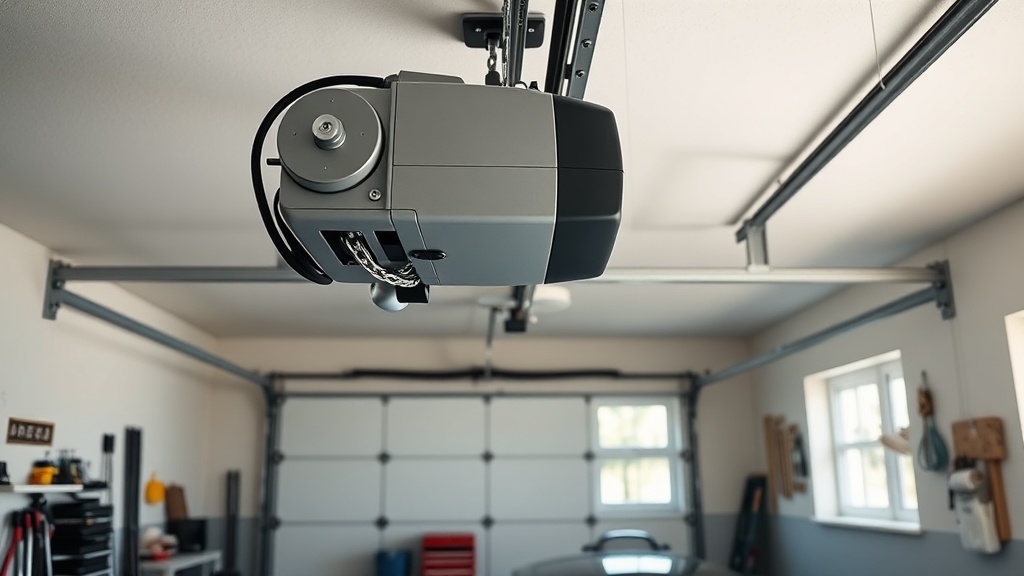
WarrantyWise, a leading home warranty provider in the UK, offers garage door opener coverage as part of its appliance and system protection plans. Under the standard coverage, homeowners can expect protection for the key mechanical and electrical components that keep a garage door operating reliably. The warranty specifically covers the motor and gear assembly, which includes the drive mechanism, travel modules, and limit switches that control door movement. Also included is the logic board—the brain of the opener—that interprets signals from remote controls and wall switches. In addition, the coverage extends to the safety sensors, often located near the floor on either side of the door, and the garage door opener’s internal wiring harness. For example, if a motor burns out due to normal wear or a sensor stops detecting obstructions, WarrantyWise will pay for the replacement part and the labour to install it, subject to the terms of the policy. The coverage applies to openers that are installed in the garage—which is considered a part of the home’s primary residence—and must be in working order at the time the policy takes effect. Homeowners often find this coverage most valuable for older openers, as the cost to replace a motor or logic board can range from £150 to £400 without warranty protection. Additionally, the standard service call fee, typically between £75 and £125, is the only out-of-pocket expense per covered repair visit. However, it is important to note that the garage door panels themselves, the tracks, springs, and the door’s weatherstripping are not covered under the opener-specific coverage, as they fall under the structural or exterior building components.
Are Garage Door Opener Remotes and Wall Controls Covered?
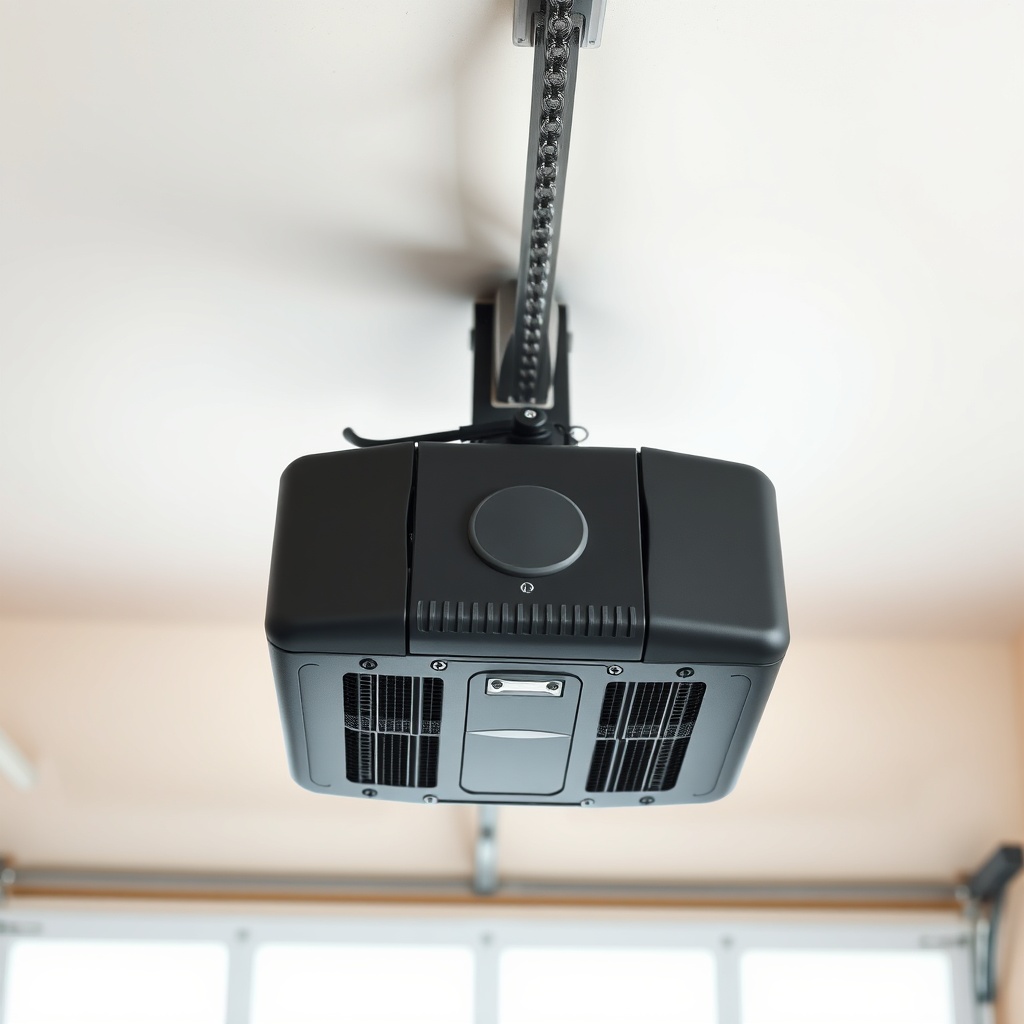
Yes, WarrantyWise does include the remote controls and wall-mounted control units under the garage door opener coverage. This means if the remote fails to communicate with the opener, the battery is not the issue, or the wall console stops functioning due to internal circuitry problems, the warranty will cover the replacement cost. Specifically, the policy covers the transmitter in each remote, the receiver in the opener, and the wall button or keypad that operates the door. However, the coverage is limited to the electronic components that are part of the original opener system. For example, if a third-party smart opener control—such as a Wi-Fi or Bluetooth module—is added separately, it is not covered unless it came with the opener from the manufacturer. Similarly, the warranty does not cover batteries, damage from power surges without a proper surge protector, or loss or theft of remote controls. Homeowners should also be aware that programming new remotes or linking them to the opener is not considered a repair covered by the warranty; it is an installation or setup task. If a remote fails and is covered, WarrantyWise will send a technician to diagnose and replace the unit, with the standard service call fee applying. The cost of the remote itself (typically £20–£50) is covered, but the service call fee remains the homeowner’s responsibility. Many users find this coverage reassuring, especially in homes with multiple remotes that are used daily. For comprehensive protection of other home appliances, readers may refer to WarrantyWise Washing Machine Coverage: What’s Included and Excluded for similar detailed cost breakdowns.
What Is Not Covered Under WarrantyWise Garage Door Opener Plans?
The exclusions in WarrantyWise’s garage door opener coverage are as critical to understand as the inclusions. The policy does not cover the garage door itself—the panels, hinges, rollers, tracks, springs, and cables—because those are door structure components, not part of the opener mechanism. Also excluded are the garage door’s weatherstripping, insulation, and any windows or decorative panels. Damage resulting from improper installation, maintenance neglect, or unauthorised modifications is not covered. For instance, if the opener was installed by a previous owner without proper alignment, WarrantyWise will deny a claim for early failure. Furthermore, pre-existing conditions—any issue that existed before the policy’s effective date—are excluded, which is why a home inspection or existing service records may be required. Cosmetic issues like scratches, paint chips, or general corrosion on the opener are also not covered. Claims for openers older than 10 years may face additional scrutiny, though coverage is not automatically denied based on age alone. Importantly, the policy does not cover the electrical wiring from the main panel to the opener outlet—that falls under the home’s electrical system. For more detailed coverage of electrical components, see WarrantyWise Electrical Panel Coverage: What’s Covered and Excluded. Additionally, damage from pest infestation, flooding, or acts of nature—such as lightning strikes or storms—is excluded, unless the homeowner has added a specific rider to the policy.
| Component | Covered Under WarrantyWise | Typical Repair Cost (Without Warranty) |
|---|---|---|
| Motor and gear assembly | Yes | £180–£400 |
| Logic board / circuit board | Yes | £120–£300 |
| Safety sensors | Yes | £60–£150 |
| Remote controls and wall console | Yes (electronic failure only) | £30–£70 |
| Garage door panels and tracks | No | £300–£1,500 |
| Springs and cables | No | £100–£300 |
| Door weatherstripping | No | £20–£60 |
How Does the Service Call Fee Work for Garage Door Openers?
When a homeowner submits a claim for a garage door opener issue, WarrantyWise dispatches a qualified home appliance technician to diagnose and fix the problem. The first cost the homeowner bears is the standard service call fee, which in the UK typically ranges from £75 to £125 per visit, depending on the specific plan level chosen. This fee covers the technician’s time, travel, and diagnostic work. Once the technician identifies a covered component that needs replacement, WarrantyWise pays for the part and the labour to install it. However, if the technician determines the issue is due to an excluded component—such as a broken spring or a damaged door track—the homeowner is responsible for the full cost of the repair and does not receive any coverage from the warranty. The service call fee is non-refundable, even if the problem is not covered. In some cases, if multiple garage door opener issues exist and they are all covered, only one service call fee applies for that visit. Homeowners can also choose to pay an enhanced service call fee for faster response times or priority service, though this varies by policy. It is important to note that resetting the opener, reprogramming remotes, or performing routine maintenance—like lubricating the chain—is not considered a repair, and the service call fee still applies if those are the only tasks done. For a comparison of how service fees work with other appliances, see WarrantyWise Garbage Disposal Coverage: What’s Included and Excluded.
What Owners Say About WarrantyWise Garage Door Opener Coverage
Customer feedback on WarrantyWise’s garage door opener coverage is generally positive, but with notable distinctions. Many UK homeowners appreciate the peace of mind provided by the warranty, especially when their opener fails unexpectedly. One homeowner from Manchester reported that their opener’s motor burned out due to age, and WarrantyWise covered the full replacement of the motor and gears for just the £95 service call fee. They estimated the repair would have cost over £350 without the warranty. Another user praised the quick response time—usually within 24 to 48 hours for non-emergency issues. On the other hand, some customers note that the exclusion of door springs and cables is a drawback, as these components are common failure points. A customer from Birmingham shared that their springs snapped, and the warranty did not cover it, so they had to pay £180 out-of-pocket. Additionally, homeowners with smart or Wi-Fi-enabled openers sometimes find that the coverage does not extend to the smart features, which can be a point of frustration. Overall, the consensus is that the coverage is excellent for the motor and electronic components, but less comprehensive for the entire door assembly. Users recommend reading the plan details carefully and considering whether their garage door type justifies the plan. For those also interested in coverage for kitchen appliances, WarrantyWise Oven and Range Coverage: What’s Included and Excluded offers similar insights.
Does WarrantyWise Cover Belt-Drive and Chain-Drive Openers Equally?
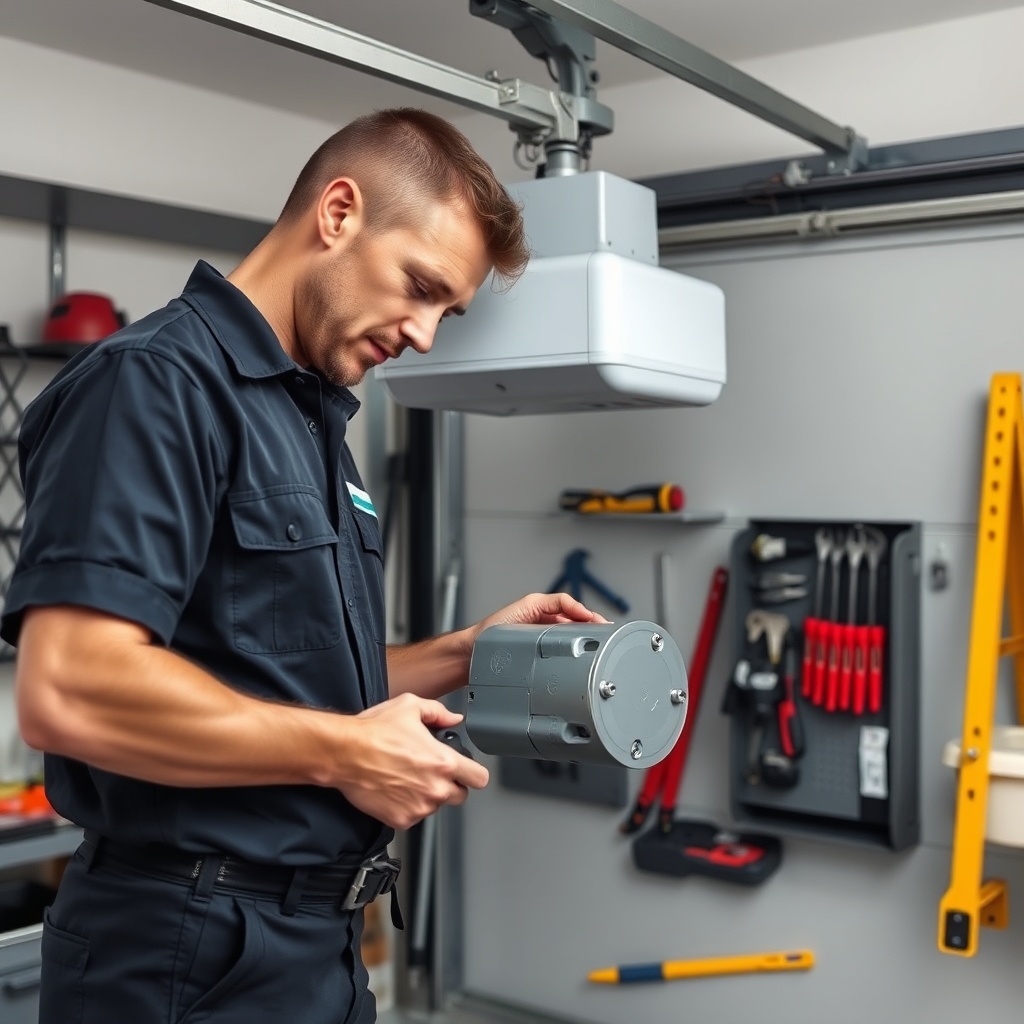
Yes, WarrantyWise does not differentiate between belt-drive, chain-drive, or screw-drive openers when it comes to coverage. All standard residential openers are treated the same, as long as they are installed in a single-family home, condominium, or apartment within the property covered by the policy. Belt-drive openers, known for quieter operation, are covered for the same motor and board components as chain-drive models. However, the policy does explicitly state that commercial-grade openers—those with horsepower ratings above 1.5 HP or used in multi-family buildings—are not covered. Also, if the opener is part of a custom installation such as a tall door or heavy-duty setup, the coverage may be limited to the standard mechanical components only. Homeowners should disclose the type of opener at the time of signing the policy to avoid any surprises. The coverage includes the mechanism that moves the door along the track, which is common to belt, chain, and screw drives. For example, if the chain on a chain-drive opener snaps due to normal wear, it is covered, but if the track itself is bent, that track replacement is excluded. The limit switches that control the travel distance are also covered, as they are integral to the opener’s operation. For those with openers that also control interior ceiling fans, see WarrantyWise Ceiling Fan Coverage: What’s Included and Excluded for related small appliance protection.
Frequently Asked Questions
1. Does WarrantyWise cover the garage door springs?
No, garage door springs—including torsion and extension springs—are not covered under the garage door opener coverage. They are considered part of the door’s mechanical system, not the opener motor or electronic components. If springs break, the homeowner will need to pay for the repair or replacement out-of-pocket, which typically ranges from £100 to £300.
2. Can I add garage door opener coverage if I already have a basic WarrantyWise plan?
Yes, many WarrantyWise plans allow you to add garage door opener coverage as an optional extra. The additional premium usually amounts to around £8–£15 per month on top of the base plan cost. Contacting WarrantyWise customer service to confirm availability and pricing is recommended.
3. What is the coverage limit for garage door opener repairs?
WarrantyWise typically places an annual coverage limit for each appliance, including the garage door opener. The limit often ranges from £1,000 to £2,000 per year, depending on the plan. If the repair cost exceeds this limit, the homeowner is responsible for the difference. Multiple claims for the same opener are capped at this annual figure.
4. Are smart garage door openers covered under WarrantyWise?
Yes, smart openers with Wi-Fi or Bluetooth connectivity are covered, but only for the standard mechanical and electrical components. The smart features—such as app connectivity, cloud data, or built-in cameras—are not covered. A software glitch that prevents opening via the app is not a covered repair.
5. How do I file a claim for a garage door opener issue?
To file a claim, homeowners can call WarrantyWise’s 24/7 claims line or submit a claim online through their customer portal. The contact details are printed on the policy documents. A technician will be dispatched, and the homeowner will need to pay the service call fee at the time of the visit.
6. Does the warranty cover the garage door opener if it is over 15 years old?
WarrantyWise generally does not exclude openers based on age alone, but older units may have parts that are no longer manufactured. If a replacement part is unavailable, the warranty may pay a cash value equivalent to the part’s worth, or the homeowner may choose to upgrade at their own cost. The coverage still applies for mechanical failure, not due to age.