WarrantyWise Washing Machine Coverage: What’s Included and Excluded
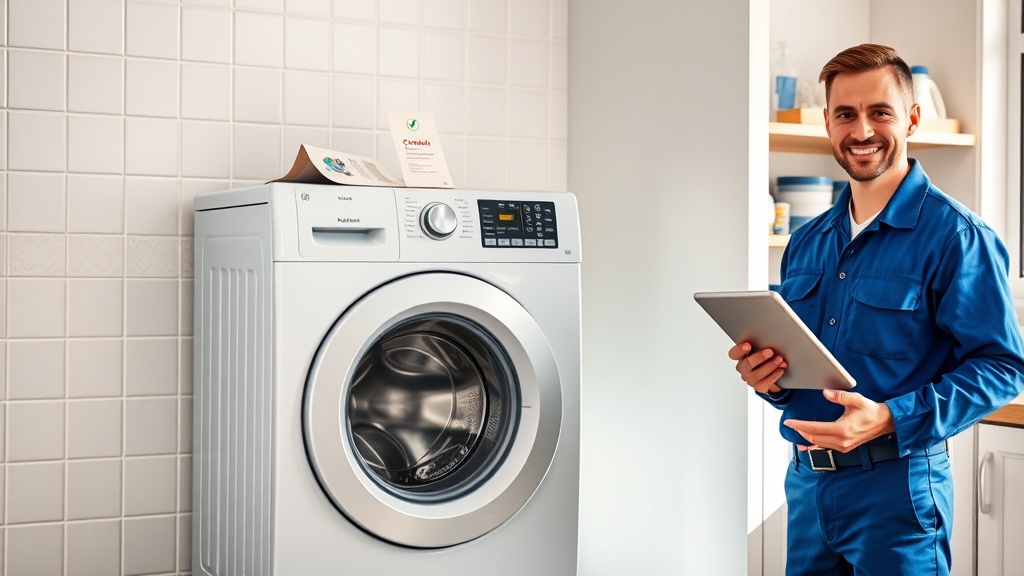
When a washing machine breaks down in the middle of a weekly laundry cycle, the disruption can ripple through an entire household. WarrantyWise offers home warranty plans that can help cover the cost of repairing or replacing a malfunctioning washing machine, but understanding the exact scope of that coverage is essential to avoid unexpected expenses. This article provides a detailed breakdown of what WarrantyWise includes and excludes specifically for washing machines, helping homeowners make an informed decision about their appliance protection.
What Internal Components Are Typically Covered by WarrantyWise for a Washing Machine?
WarrantyWise generally covers the major mechanical and electrical parts that keep a washing machine operational. Under a standard appliance plan, protection typically extends to the motor, transmission, drum (inner and outer), belt, pump, drain hose, and the main control board. These are the components most prone to failure due to normal wear and tear, such as a seized motor bearing or a faulty electronic control module. The coverage includes the labour and parts required for diagnosis and repair, subject to the plan’s service call fee, which currently stands at £75 in the United Kingdom. For example, if the wash motor stops spinning due to a burned-out winding, WarrantyWise would cover the cost of a replacement motor and the technician’s time to install it.
It is important to note that coverage applies only to appliances that are in good working order at the time the policy begins. Pre-existing conditions, wear that has not yet caused a failure, or components that have been tampered with are not covered. As with most home warranty providers, the definition of “normal wear and tear” is central to the policy. If a technician determines that a failure resulted from improper use, lack of maintenance, or external factors like power surges, the claim may be denied. Homeowners should always review their specific contract’s terms, as some plans may have slightly different lists of covered parts.
Are Hoses, Filters, and Water Inlet Valves Included?
Yes, WarrantyWise generally covers the water inlet valve and the internal drain hose of the washing machine. The inlet valve controls the flow of water into the drum and is a common failure point—often due to mineral buildup or a stuck solenoid. The drain hose, which removes water after the wash and rinse cycles, is also typically included if it fails due to a manufacturing defect or normal ageing. However, the external drain hose that connects the machine to the house plumbing may not be covered, as it is considered part of the home’s plumbing system rather than the appliance itself.
Filters, such as the lint filter found on some models or the inlet screen filters, are generally excluded from coverage. These are considered user-serviceable parts that require regular cleaning by the homeowner. If a filter becomes clogged and causes a secondary issue, such as water backing up into the machine, the claim might be denied on the grounds of insufficient maintenance. Similarly, rubber seals around the door—often a source of leaks in front-loading machines—are usually covered only if they fail from normal wear, but not if they are damaged by misuse, like overloading or slamming the door.
What About Controllers, Timers, and Electronic Displays?
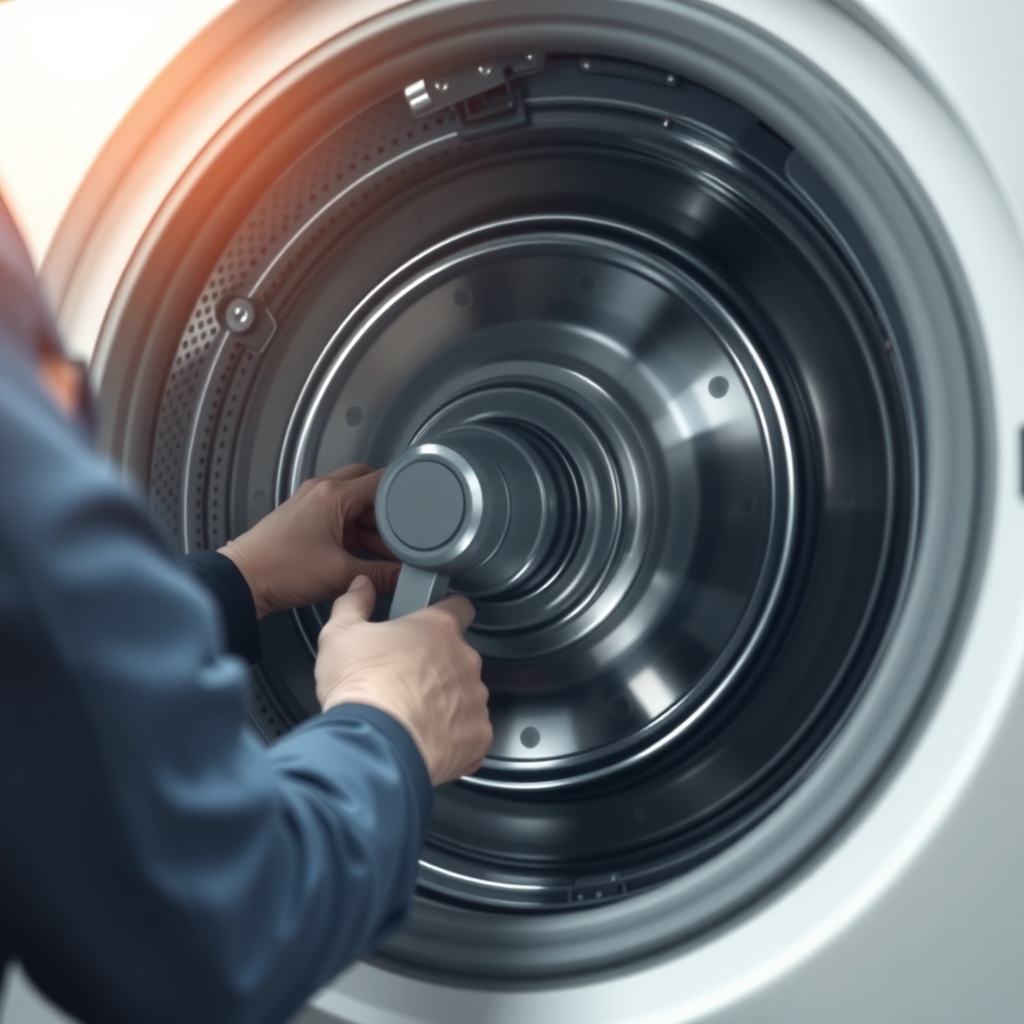
WarrantyWise typically includes the electronic control board, timer, and user interface (display panel) in its washing machine coverage. These are high-cost items that can fail due to power surges, component corrosion, or software glitches. For instance, a washing machine that suddenly stops responding to cycle selections or shows an error code that the user cannot clear would likely be covered, provided the failure is not due to an electrical issue originating outside the appliance (like a faulty home outlet). The cost of reprogramming or replacing a control board can be several hundred pounds, making this coverage a key benefit of the policy.
However, there are notable exclusions. Wireless connectivity modules, such as Wi-Fi or Bluetooth chips used for smart home integration, are not covered. If the display screen itself cracks due to impact or the touch panel becomes unresponsive because of physical damage, that is also excluded. WarrantyWise’s coverage is designed for functional failures caused by normal use, not cosmetic damage or external forces. Homeowners with modern, internet-connected washing machines should check their policy carefully, as the line between covered and non-covered electronics can sometimes be ambiguous.
What Are the Most Common Exclusions for Washing Machine Claims?
The most frequent denial categories for WarrantyWise washing machine claims involve user-related issues, improper installation, and damage from external sources. Below is a summary table of standard exclusions:
| Exclusion Category | Examples | Reason for Exclusion |
|---|---|---|
| Pre-existing conditions | Rust on drum, worn belt that hasn’t broken | Not a sudden failure from normal wear under policy |
| User misuse | Overloading, using incorrect detergent, leaving foreign objects in pocket | Damage is preventable through proper use |
| Improper installation | Incorrect levelling, wrong electrical connection | Installation is homeowner’s responsibility |
| External damage | Power surge, flooding, pest infestation, corrosion from chlorine | Not caused by normal operation of the appliance |
| Cosmetic issues | Scratches, dents, rust on exterior, missing knobs | Not a functional failure |
| Warranty conversion | Manufacturer’s warranty still active | Coverage begins after manufacturer warranty expires |
| Non-covered parts | Detergent drawer, door glass, hoses to house plumbing | Not part of core mechanical/electronic system |
Many homeowners are surprised to learn that detergent build-up or a blocked drain filter can void a claim. WarrantyWise expects the washing machine to be maintained according to the manufacturer’s guidelines. If a technician finds that the machine has not been cleaned regularly or that a blocked filter caused the pump to fail, the repair cost falls on the homeowner. Similarly, if a washing machine is moved to a new location without professional reinstallation, any subsequent issues may be excluded.
What Do WarrantyWise Owners Say About Washing Machine Claims?
Feedback from WarrantyWise policyholders regarding washing machine coverage is generally positive, though not without occasional frustration. Many users appreciate the speed of response when a claim is approved. “Our washing machine stopped draining completely on a Friday night,” wrote one Birmingham homeowner. “I submitted the claim online that night, and a technician was booked for Monday morning. The repair was covered except for the £75 service fee. I saved over £300 on the pump replacement.” Such testimonials are common when the repair is a straightforward covered failure.
On the other hand, complaints often centre on denied claims. “They said the rubber door seal was a ‘maintenance item’ and not covered,” noted a reviewer from Manchester. “But the seal had a small tear that was clearly from normal wear—not abuse. I ended up paying £120 for a plumber to replace it.” Another user reported that their claim for a faulty control board was initially denied because the technician suspected a power surge, but after providing proof that the home’s electrical system was up to code, the claim was approved on appeal. Overall, owners advise documenting the condition of the appliance at the start of the policy and keeping detailed records of any maintenance performed.
How Does WarrantyWise Compare to Other Home Warranty Providers for Washing Machines?
WarrantyWise positions itself as a mid-tier provider in the UK market, with a particular focus on covering older appliances that may not be eligible for manufacturer warranties. For washing machines, their coverage is competitive with providers like HomeServe or Domestic & General, but the key differentiator is the annual cap on claims. Most WarrantyWise appliance plans cap total claims at £1,500 per year, with a maximum of £750 per individual repair. This is generally sufficient for a single washing machine failure, but if the appliance requires multiple repairs in a year, the cap may be exhausted. Homeowners with expensive, high-end washing machines (such as Miele or ASKO models) should check whether the repair cost can approach or exceed the cap. In such cases, a plan with a higher limit or a specialist appliance warranty might be more appropriate.
Another comparison point is the service call fee structure. WarrantyWise charges a fixed £75 fee per visit, which is typical for the industry. Some competitors offer lower fees (e.g., £60) but may have narrower parts lists. Additionally, WarrantyWise does not cover the cost of replacing the entire washing machine if it is unrepairable—only the repair cost. If a component like the drum or motor cannot be replaced and the machine needs to be new, the homeowner receives a cash settlement capped at the plan’s limits, often around £300–£500 for a replacement. This is a crucial consideration for those with older machines that might be uneconomical to repair.

Frequently Asked Questions
Does WarrantyWise cover a washing machine that is more than 10 years old?
Yes, WarrantyWise does not impose an age limit on covered washing machines, provided the appliance was in good working order at the start of the policy. However, older machines may have a higher chance of being deemed uneconomical to repair, in which case the settlement amount would apply.
Is the washing machine’s drum covered against rust?
Rust that causes a functional failure—such as a hole in the drum leading to water leakage—is typically covered as part of normal wear. Surface rust that does not affect operation is considered a cosmetic issue and is excluded.
What if my washing machine makes a loud noise during spinning? Is that covered?
If the noise is due to a mechanical failure like a worn bearing or loose belt, the necessary repair is covered. However, if the noise is caused by an unbalanced load (user error) or a foreign object in the drum, the claim may be denied. The technician will inspect the unit to determine the root cause.
Are smart washing machine features, such as WiFi connectivity, covered?
No. Smart features like WiFi modules, app interfaces, or Bluetooth connectivity are not covered under standard WarrantyWise appliance plans. Only the core mechanical and electronic components that control the wash cycles are included.
Can I transfer my WarrantyWise policy to a new washing machine if I replace the old one?
Yes, but only in limited circumstances. If the new washing machine replaces a covered appliance that has been deemed unrepairable, you may be able to transfer the remaining coverage to the new unit, subject to approval. However, the new machine must be a similar type and must undergo inspection.
Do I need to provide proof of purchase or maintenance for a washing machine claim?
WarrantyWise usually does not require proof of purchase for the washing machine itself, but they may ask for documentation that the appliance has been maintained properly. If a claim is related to a specific part like a filter or seal, the technician may request records of cleaning or user manual adherence.